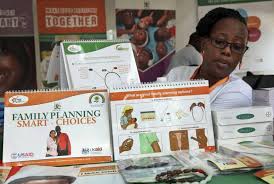
The number of women and girls using modern contraceptives in the 69 of lower economies has reached more than 317 million, according to a new report released on Monday in Kigali by family planning 2020.
According to the report, this trend of 317million represents 46millon more users than in 2012, the year FP2020, a global partnership of organizations on family planning, was launched.
The FP2020 report shows that wide access to modern contraception helped prevent more than 119million unintended pregnancies, 20million unsafe abortions and 137,000 maternal deaths averted between July 2017 and July 2018 in these countries.
Statistics from Rwanda ministry of health show the country has registered a decline in fertility rate from 5.8 50 4.2.
Data from Rwanda is one of the countries that have made impressive gains in family planning in recent years, registering a decline in fertility rate from 5.8 to 4.2 children per woman between 2000 and 2015.
“Along with growth in total number of contraceptive users, we are also registering other measures of improvements. Long –acting reversible contraceptives are more available especially implants,” the report said.
“The mix of available contraceptive methods has improved in 20 countries, meaning that more women are able to find short term, long acting, emergency or permanent method that suits their needs and preferences.”
Contraceptive use is growing fastest in Africa, with 24% of women of reproductive age using a modern method.
The report reveals how better access to family planning can deliver a powerful ‘demographic dividend’ that can help transform economies, as birthrates drop and the ratio of adults to dependent children increases.
It said with fewer dependents to support, a country can invest more in education, infrastructure and other productivity-enhancing measures.
Some 214 million women globally want to be able to control when and how many children they have but are unable to because contraceptives are out of their reach, according to World Health Organization.
The data shows while the financial landscape remains uncertain, global donor funding has risen slightly since 2016 from $1.20billion to $1.27billion in 2017 but remains well below the peak of $1.43billion in 2014.
“It’s the time the report presents validated estimates of domestic expenditures on family planning for 31 commitment countries,” the reports said.
“We estimate that in 2016, total spending for family planning stood at $3.4bn and of this total, 48% was from donors, 34 from domestic governments, 14 % was out of pockets while the remaining 4 % was from corporations or NGOs.”